Review: 3D SVG School Shadow Box Assets
As someone who has spent years building a digital product portfolio for Etsy and Creative Fabrica, I have learned that not every graphic design asset is created equal. Some files are messy, others lack versatility, and many simply do not hold up when scaled for different print-on-demand applications. Recently, I downloaded the Design School Subject 3D Shadow Box to test its viability for my upcoming back-to-school collection. My goal was simple: determine if this asset could serve as a cornerstone for a profitable line of commercial designs, from sublimation prints to Cricut projects.
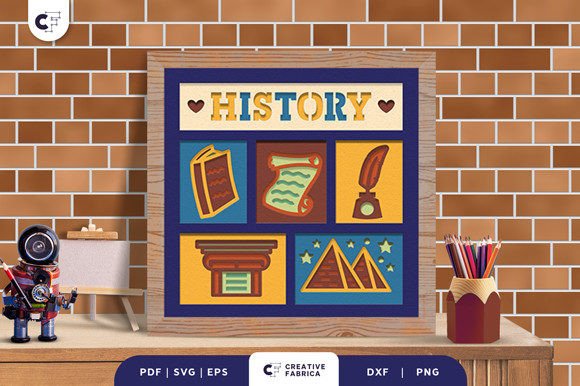
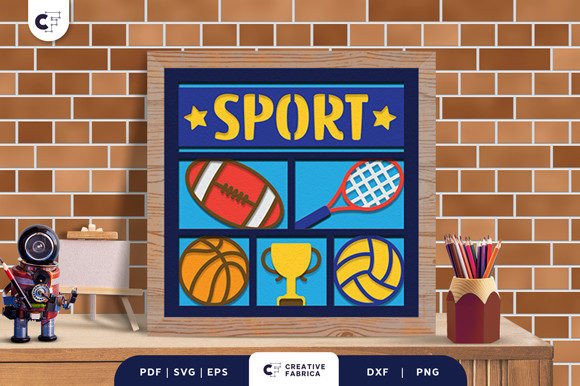
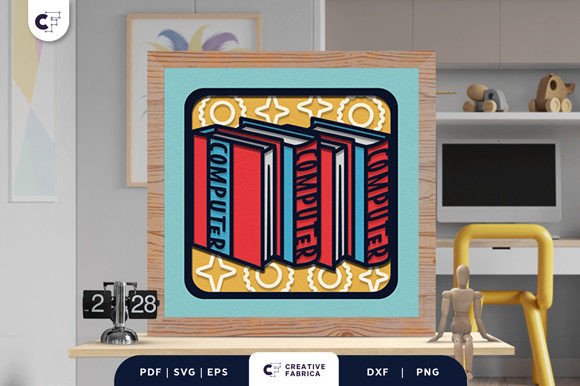
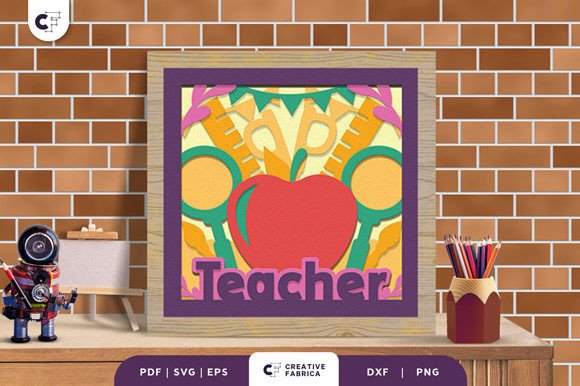
The first impression of the Design School Subject 3D Shadow Box is one of structured playfulness. It does not scream for attention with neon colors or chaotic lines; instead, it offers a clean, dimensional aesthetic that mimics physical depth. This visual personality is crucial for modern buyers who are moving away from flat, two-dimensional clipart and toward assets that offer a tactile feel, even in digital formats. The mood is distinctly educational yet stylish, striking a balance between cute and professional. This makes it highly appealing to teachers looking for classroom decor, parents planning organized study spaces, and small business owners creating branded school supplies.
Real-World Application for Online Sellers
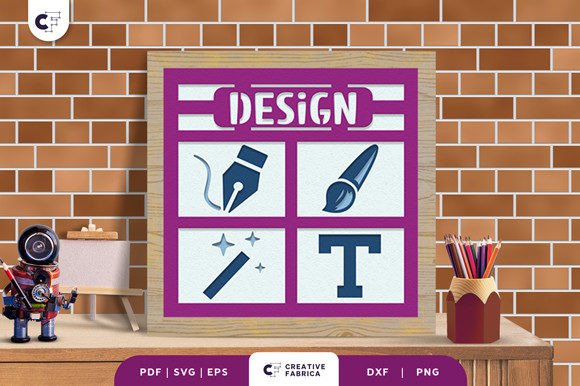
When evaluating a new digital product, I always ask myself: "Where can I use this?" The Design School Subject 3D Shadow Box proves to be remarkably versatile. Because it showcases four distinct icons related to photos and classroom subjects, it functions well as a standalone element or as part of a larger composition. Here is how I envision integrating this 3D SVG into a real online shop scenario:
- Printable Wall Art: The shadow box effect adds immediate perceived value to printable posters. When framed in a mockup, the depth creates a premium look that justifies a higher price point compared to flat illustrations.
- Planner Stickers and Scrapbooking Kits: For digital planner enthusiasts, these elements can be layered to create interactive tabs or decorative headers. The clear separation of icons allows for easy cropping into individual sticker designs.
- Sublimation Designs: Tumbler wraps and tote bags benefit greatly from the dimensional appearance. The shadow details provide contrast against solid backgrounds, ensuring the design does not get lost on curved surfaces.
- Canva Templates: As a graphic design asset, this file is perfect for educators creating their own resources. By including this in a template bundle, you allow customers to drag and drop professional-grade graphics into their lesson plans or newsletters.
- Cricut and Silhouette Projects: For crafters, the SVG format is essential. However, the "3D" aspect here is visual, achieved through layering. This means users can cut multiple layers of cardstock to create a physical shadow box effect, adding a handmade touch to greeting cards or gift tags.
Enhancing Product Presentation and Trust
In the crowded marketplace of creative marketplace listings, your thumbnail is everything. The Design School Subject 3D Shadow Box excels in product presentation because it naturally draws the eye. The shadows create a sense of hierarchy, guiding the viewer’s focus to the central icons. When I tested this asset in my listing images, I found that it paired exceptionally well with clean, sans serif fonts. The combination suggests modernity and organization, two traits highly valued by the target audience of teachers and organizers.
Using this asset helps build customer trust. When a buyer sees a complex, well-layered design in your preview, they assume the rest of your shop maintains that standard of quality. It supports small business branding by allowing you to create a cohesive visual identity across social media graphics, blog headers, and packaging design. If you are selling a design bundle, including this shadow box element can elevate the entire package, making it feel more comprehensive and valuable.
Strategic Placement and Cautionary Notes
While the asset is strong, it is not a one-size-fits-all solution. Understanding where it works best is key to maximizing sales. It shines in large product previews, themed bundles, and decorative layouts where there is enough white space to let the shadow effects breathe. It is ideal for Etsy product listings that focus on aesthetics, such as nursery prints or teacher appreciation gifts.
However, there are areas where you must use caution. The intricate shadow details may not translate well to tiny sticker designs or products with low-resolution print capabilities. If you are creating a t-shirt design for dark garments, ensure you adjust the opacity or add a white underbase, as subtle shadows can disappear on black fabric. Additionally, avoid placing this asset in crowded thumbnails. If your listing image is already text-heavy, the 3D elements might compete for attention, reducing click-through potential.
For Cricut project users, clarity is paramount. While the SVG is clean, the visual shadow is often created with semi-transparent layers. You must clearly instruct your customers on how to separate these layers if they intend to cut them from different colored papers. Misunderstanding here can lead to negative reviews, so clear instructions are part of the product experience.
Practical Seller Notes for Implementation
Before publishing any listing featuring the Design School Subject 3D Shadow Box, I recommend a rigorous testing phase. Do not assume the file is ready out of the folder. Here is my checklist for ensuring quality:
- Test on Real Mockups: Place the design on various backgrounds. Check how it looks on white, pastel, and dark backgrounds. Ensure the shadows provide enough contrast without looking muddy.
- Verify PNG Transparency: If you are offering PNGs alongside SVGs, ensure the background is truly transparent. A stray white pixel can ruin a sublimation design or a mug design.
- Inspect SVG Cut Quality: Open the file in your preferred cutting software. Check for unnecessary nodes or open paths that could cause cutting errors. Simplify if necessary for beginner crafters.
- Font Pairing: Experiment with typography. While sans serif works well, a handwritten font can add a personal, teacher-friendly touch. A display font might work for bold promotional visuals. Avoid overly ornate script fonts that clash with the geometric nature of the shadow box.
- Confirm Commercial Licensing: Always double-check the license terms. Ensure you have the right to use the asset in commercial design products for sale. Clarify if attribution is required or if there are restrictions on print-on-demand services.
- Organize Files Clearly: Customers appreciate organization. Group your files by format (SVG, PNG, DXF) and include a readme file with tips on how to use the 3D layers effectively.
In conclusion, the Design School Subject 3D Shadow Box is a robust addition to any digital seller’s toolkit. It bridges the gap between playful education themes and modern design trends. By testing it across various mediums—from printable design wall art to social media graphics—you can unlock its full potential. Remember, the key to success is not just having the asset, but presenting it in a way that highlights its dimensional quality and practical utility. With careful placement and clear instructions, this illustration can become a staple in your shop, driving sales and enhancing your brand’s reputation for quality.