Review: Fox Graduation Party 3D Paper Cut Design
As a designer who spends half my life staring at digitized files and the other half watching needles punch through fabric, I have learned to be skeptical of trends. The "paper cut" aesthetic has been circulating in the digital embroidery file market for a while now, often promising depth and dimension that standard flat designs struggle to achieve. When I first loaded the Fox Graduation Party 3D Paper Cut design into my software, I was looking for more than just a cute animal motif. I was looking for structural integrity, stitch logic, and commercial viability. This isn't just about making something look pretty on a screen; it is about how that design holds up when it becomes a handmade product in someone’s hands.
First Impressions: Whimsy Meets Structure
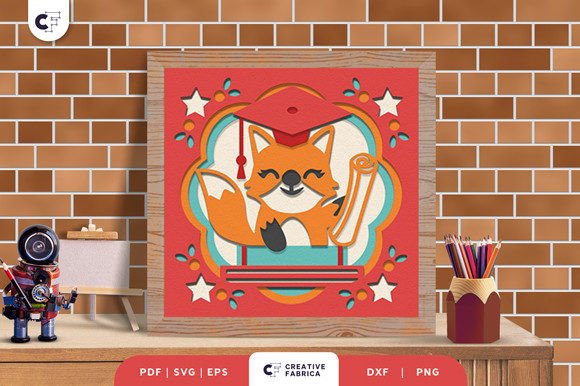
The immediate mood of this design is playful yet polished. It captures that specific niche of kindergarten graduation—a milestone that is serious to the parents but still deeply rooted in childhood whimsy. The fox character, adorned with a graduation cap, avoids the overly formal stiffness of traditional academic imagery. Instead, it leans into a layered, shadow-box effect that mimics physical paper crafting. For an embroidery project, this is a clever approach. It uses varying thread densities and potential underlay strategies to create the illusion of depth without requiring actual multi-layered fabric assembly.
Visually, the layout is balanced. The central figure is distinct, with clear separation between the fox’s features and the academic regalia. This clarity is crucial. In my experience, designs that try to do too much with tiny details often turn into a tangled mess of thread breaks and bird nests on the machine. This design feels intentional. It suggests that the digitizer understood the limitations of the hoop and the capabilities of the average home or small-shop machine.
Real-World Application: Beyond the Screen
Let’s talk about where this actually lives. I recently tested a similar concept for a client running a small boutique specializing in end-of-year school gifts. We were preparing a run of custom tote bag designs for a local preschool’s farewell party. The Fox Graduation Party 3D Paper Cut fit perfectly here. On a canvas tote, the design’s bold lines and thematic relevance created an instant connection with the buyers—mostly grandparents and parents looking for a keepsake that wasn't just another generic t-shirt.
However, the versatility extends further. Imagine this as sweatshirt embroidery on a child’s hoodie. The softer texture of fleece can sometimes swallow fine details, but if the stitch density is managed correctly, the fox stands out beautifully against the plush background. It also works exceptionally well as an embroidered patch. Patches are having a moment in the craft business world, and a design with this level of character sells. It allows the maker to produce batches of iron-on or sew-on badges that can be applied to jackets, backpacks, or hats later, adding value to the finished product.
For Etsy sellers and creative entrepreneurs, this design serves as a strong anchor for a seasonal collection. It is not limited to May or June. With slight color variations, it could work for winter graduations or even as a general "smart fox" motif for back-to-school promotions. The key is in the presentation. Using high-quality printable mockup assets to show the design on various textures helps customers visualize the final item, increasing buyer engagement and trust.
Navigating Technical Challenges
While the design is charming, practical application requires caution. The "3D" effect relies heavily on contrast and layering. If you are stitching this on a dark fabric, you must ensure your thread colors pop. A navy fox on a black shirt will disappear, regardless of how good the digitizing is. Always test your thread colors against your base fabric. I recommend creating a physical sample sheet with your most common stock colors before listing items for sale.
Another critical factor is the hoop size. Without knowing the exact dimensions provided in the file package, you must check the scaling limits. Shrinking a complex design too much can cause the stitches to merge, losing the definition of the fox’s eyes or the tassel on the cap. Conversely, enlarging it too much might expose gaps in the fill stitch coverage. Always review the design at 100% scale in your software before hitting start.
Fabric choice matters immensely here. This design likely performs best on stable, woven fabrics like cotton twill, denim, or canvas. Stretchy knits, common in baby embroidery projects, require robust stabilization. If you are putting this on a onesie, use a cut-away stabilizer to prevent the design from puckering after washing. Textured fabrics like terrycloth towels can also be tricky; the loops of the towel might hide the finer running stitches that define the edges of the paper-cut layers. In such cases, a water-soluble topping is non-negotiable to keep the stitching crisp.
Commercial Value and Brand Consistency
From a business perspective, the Fox Graduation Party 3D Paper Cut adds perceived value. It looks more expensive than a simple monogram. For commercial embroidery shops, this means you can charge a premium for the complexity and the emotional resonance of the design. It signals professionalism. Customers associate clean, well-executed themed designs with higher quality care.
However, consistency is key. If your brand is known for minimalist, modern lines, this whimsical fox might feel out of place. But if your shop focuses on playful, child-centric, or celebratory items, this design aligns perfectly. It enhances brand recognition by offering a unique visual asset that competitors using generic clipart might lack.
Designer Notes for Best Results
Before you commit to a large production run or list this as a new item in your small shop product lineup, take these steps:
- Test on Scrap First: Never stitch a new design directly on your final garment. Use the same fabric and stabilizer combination you plan to sell.
- Check Stitch Density: Look at the color block view in your software. Are there areas that look too dense? This can cause fabric distortion.
- Verify Licensing: Ensure the license terms allow for commercial use if you are selling physical items. Some designers restrict the number of units you can sell.
- Inspect Small Details: Zoom in on the eyes and the graduation cap tassel. If they look pixelated or messy in the preview, they will look worse stitched out.
- Contrast Check: View the design in black and white. If the layers blend together without color, the design lacks sufficient contrast and may need adjustment.
In conclusion, the Fox Graduation Party 3D Paper Cut is a solid addition to any designer’s library, particularly those focusing on the School category. It bridges the gap between digital novelty and tangible craft, offering a versatile asset for personalized gifts and boutique merchandise. By respecting the technical requirements of embroidery and understanding your audience, you can turn this digital file into a best-selling physical product.